
The Terms of a Licence: Africa’s Beneficiation Turn.
African governments have stopped asking for processing capacity and started legislating for it. The shift changes what an operating licence is worth.

01The resource position is not the argument.
Africa holds roughly 30 per cent of the world’s reserves of the minerals now classified as critical, including about 55 per cent of global cobalt, 47.65 per cent of manganese and 21.6 per cent of natural graphite. That has been true, in outline, for a long time.
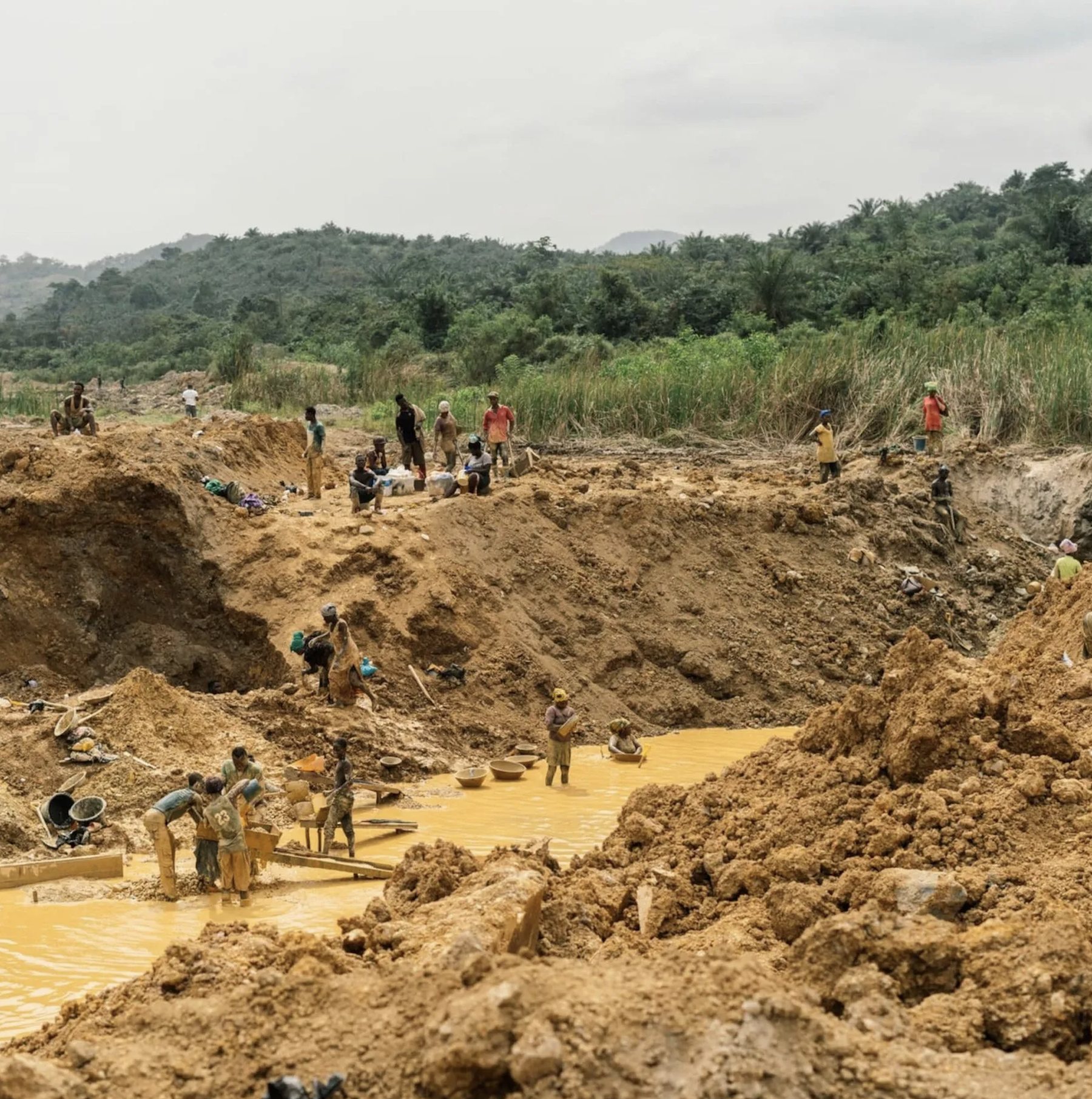
The reserve position has never been the difficulty. The difficulty is that value has historically been realised somewhere else, and the continent has captured the extraction margin while others captured the processing and manufacturing margin.
02Persuasion has been replaced by statute.
What has changed in the past two years is the instrument. Governments have moved from advocacy to law.
- Zimbabwe has restricted the export of unprocessed lithium to force value addition onshore.
- The Democratic Republic of the Congo has taken 10 per cent equity positions and introduced cobalt export quotas of 96,600 tonnes for 2026 to 2027.
- Zambia has moved to enforce local procurement quotas in the range of 20 to 40 per cent.
- Mining licences across several jurisdictions increasingly carry minimum percentages for local processing, skills transfer or domestic procurement, phased over five to ten years.
The G20's Critical Minerals Framework has given the position multilateral language, setting out standards for local beneficiation at source. The African Development Bank convened a ministerial forum on critical minerals value chains and beneficiation in Abidjan in July 2026.
03Gold’s version of the same argument.
Gold is not a critical mineral in the battery sense, and the beneficiation argument reaches it differently. For gold the equivalent question is not who refines it but who captures the trade.
Ghana’s answer arrived in 2025. The Ghana Gold Board Act, Act 1140, made the board the sole buyer, assayer and exporter of licensed artisanal and small-scale gold from May of that year. In its first year the channel moved 104 tonnes and earned over 10 billion US dollars, which the Finance Ministry identified as the largest single driver of the cedi’s 41 per cent appreciation.
That is beneficiation logic applied to a route. Capture the channel and the value stays.
04What this asks of operators.
For an operator, the practical consequence is that the terms of a licence are moving from what you extract to what you leave behind, and that those terms are increasingly written down and applied uniformly.
The disclosure now appearing across the sector reads, in that light, less like corporate social responsibility and more like anticipatory compliance. Procurement reported in cedis and broken out by supplier district, employment reported as a share of the host community, training reported against recognised qualifications: those are the metrics a local content regime measures, and they are being published before any regime requires them.
Operators that already record procurement by supplier location, employment by district and training by qualification will find the reporting requirement administrative. Operators that do not will find it existential.
05Where Nova Mines stands.
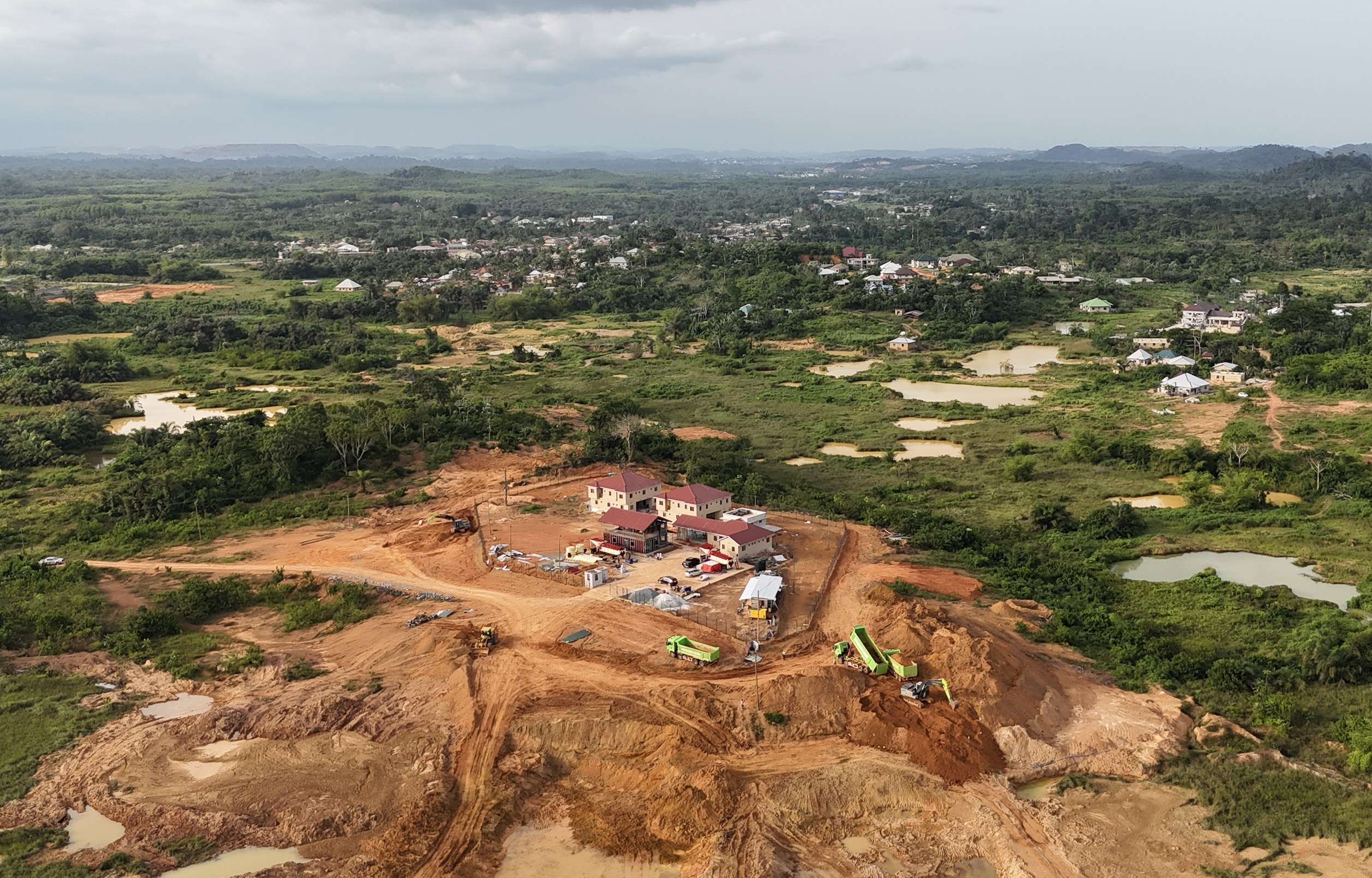
Nova Mines works across the full mining value chain, from exploration and resource development through extraction, processing and commercialization. That range is the point.
An operator that stops at extraction has no answer when the terms move downstream, because it has no capability downstream. Holding processing and route to market inside the business means value addition is an operating discipline.
We are a Ghanaian company. The argument that value should be created where the ore is found is not, for us, a continental policy debate. It is a description of what the business is for.
06Sources.
- Africa’s critical minerals are a huge economic opportunity: G20 framework sets out ways to seize it, The Conversation
- Critical minerals: beneficiation laws reshaping mining 2026, The Exchange Africa
- Ministerial Forum on Critical Minerals Value Chain and Beneficiation, African Development Bank
- GoldBod exceeds 2025 small-scale gold export target, Ghana Gold Board